10 SEO Tips to Rank Higher on Google
10 SEO Tips to Rank Higher on Google
Search Engine Optimization (SEO) is one of the most effective ways to increase your website’s visibility and attract organic traffic. Whether you run a business website, an online store, or a personal blog, implementing the right SEO strategies can help you rank higher on Google and reach more potential customers.
In this blog, we’ll explore ten practical SEO tips that can improve your website’s search engine rankings.
1. Perform Keyword Research
Every successful SEO strategy starts with keyword research. Identify the words and phrases your target audience uses when searching online.
Use tools like:
Google Keyword Planner
Ubersuggest
SEMrush
Ahrefs
Focus on keywords with high search volume and low competition to increase your chances of ranking.
2. Create High-Quality Content
Google rewards websites that provide valuable, informative, and original content.
Your content should:
Solve users’ problems
Answer common questions
Be well-structured
Include relevant keywords naturally
Be easy to read
Fresh, high-quality content encourages visitors to stay longer and improves your search rankings.
3. Optimize Your Title Tags and Meta Descriptions
Your page title and meta description are the first things users see in search results.
A good SEO title should:
Include your primary keyword
Stay under 60 characters
Be compelling enough to encourage clicks
Meta descriptions should summarize your content in about 150–160 characters while naturally incorporating relevant keywords.
4. Improve Website Speed
A slow website can frustrate visitors and negatively impact your rankings.
Improve loading speed by:
Compressing images
Enabling browser caching
Using a Content Delivery Network (CDN)
Minimizing CSS and JavaScript files
Fast websites provide a better user experience and often rank higher in search results.
5. Make Your Website Mobile-Friendly
More people browse the web on mobile devices than ever before. Google uses mobile-first indexing, meaning it primarily evaluates the mobile version of your website.
Ensure your website:
Adapts to different screen sizes
Loads quickly on mobile
Has easy-to-read text
Includes clickable buttons and navigation
A responsive design improves both user experience and SEO.
6. Use Internal and External Links
Internal links connect related pages within your website, helping users discover more content and allowing search engines to understand your site’s structure.
External links to reputable sources can also add credibility and provide additional value to your readers.
Use descriptive anchor text instead of generic phrases like “click here.”
7. Optimize Images
Images enhance your content but can also affect SEO if not optimized.
Best practices include:
Using descriptive file names
Adding alt text
Compressing image sizes
Choosing modern formats like WebP
Optimized images improve page speed and help search engines understand your content.
8. Focus on User Experience (UX)
Google considers user experience when ranking websites.
Improve UX by:
Using clear navigation
Keeping your design clean
Organizing content with headings
Making buttons easy to click
Reducing intrusive pop-ups
A positive user experience increases engagement and lowers bounce rates.
9. Build High-Quality Backlinks
Backlinks from trusted websites signal to Google that your content is valuable and authoritative.
You can earn backlinks by:
Publishing original content
Writing guest posts
Sharing research and case studies
Creating useful guides and infographics
Focus on quality rather than quantity when building backlinks.
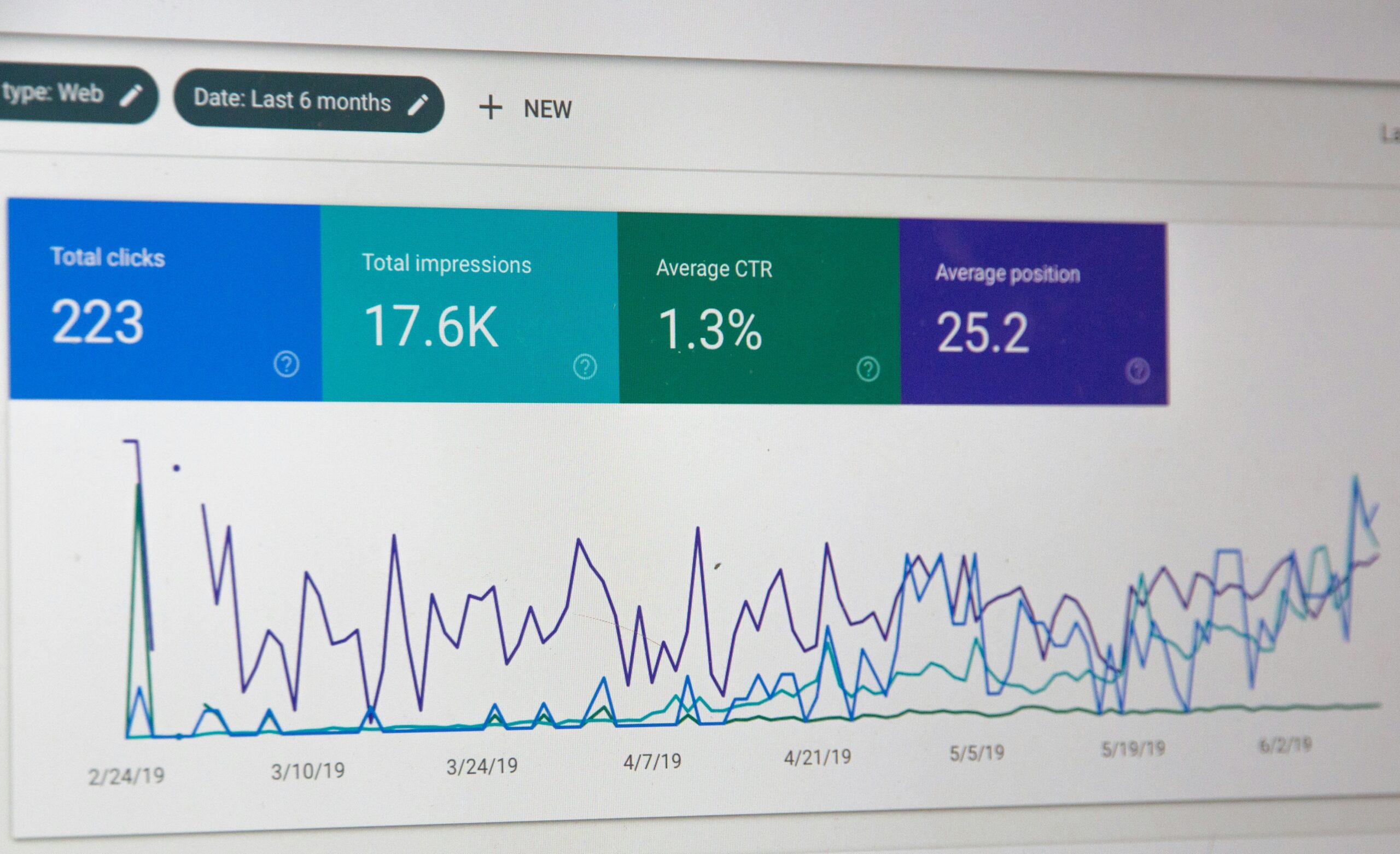
10. Monitor Your SEO Performance
SEO is an ongoing process. Regularly monitor your website’s performance using analytics tools.
Track important metrics such as:
Organic traffic
Keyword rankings
Click-through rate (CTR)
Bounce rate
Page loading speed
Conversion rate
Analyzing these metrics helps you identify opportunities for improvement and refine your SEO strategy over time.
Final Thoughts
SEO is not about finding shortcuts—it’s about creating a website that delivers value to users while following best practices. By conducting thorough keyword research, publishing high-quality content, optimizing technical performance, and monitoring your results, you can steadily improve your rankings on Google.
Remember, SEO is a long-term investment. Consistency, patience, and continuous optimization are the keys to sustainable online success. Start applying these ten SEO tips today, and you’ll be well on your way to attracting more visitors, generating quality leads, and growing your business organically.